















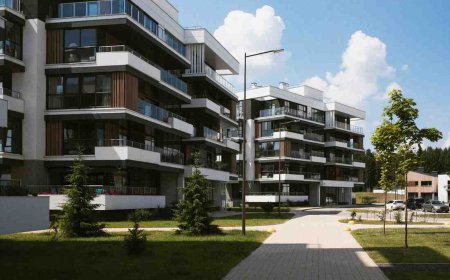




How To Find Dallas Apartments Under $1,300
How to Find Dallas Apartments Under $1,300 Finding an affordable apartment in Dallas under $1,300 per month may seem daunting in today’s competitive rental market, but it’s far from impossible. With strategic planning, local knowledge, and the right tools, renters can secure comfortable, safe, and well-located housing without stretching their budget. Dallas, the ninth-largest city in the United St

How to Find Dallas Apartments Under $1,300
Finding an affordable apartment in Dallas under $1,300 per month may seem daunting in todays competitive rental market, but its far from impossible. With strategic planning, local knowledge, and the right tools, renters can secure comfortable, safe, and well-located housing without stretching their budget. Dallas, the ninth-largest city in the United States, continues to experience population growth and economic expansion, which has driven up housing costs in popular neighborhoods like Uptown, Downtown, and North Dallas. However, numerous hidden gems and lesser-known areas still offer quality apartments below the $1,300 threshold. This guide provides a comprehensive, step-by-step roadmap to help you identify, evaluate, and secure an affordable apartment in Dallaswithout sacrificing safety, convenience, or quality of life.
The importance of finding housing under $1,300 cannot be overstated. For students, young professionals, remote workers, and families on fixed incomes, keeping rent below this threshold can mean the difference between financial stability and overwhelming monthly pressure. In a city where the average one-bedroom rent hovers around $1,600$1,800, achieving affordability requires more than luckit demands research, timing, and persistence. This tutorial equips you with the knowledge and actionable strategies to navigate Dallass rental landscape effectively and confidently.
Step-by-Step Guide
1. Define Your Priorities and Non-Negotiables
Before you begin searching, take time to identify what matters most to you. Not all apartments under $1,300 are created equal. Ask yourself: Is proximity to public transit essential? Do you need in-unit laundry, pet-friendly policies, or a balcony? Are you willing to commute 2030 minutes for a lower rent? Creating a personal checklist helps filter out unsuitable options early and prevents emotional decisions.
For example, if you work in downtown Dallas, you might prioritize access to the DART light rail. If you have a dog, pet policies and nearby parks become critical. If you value quiet living, avoid complexes near highways or nightlife districts. Write down your top five must-haves and your top five deal-breakers. This clarity will streamline your search and save hours of wasted effort.
2. Target the Right Neighborhoods
Dallas is vast, and rent prices vary dramatically by neighborhood. While Uptown and Highland Park are out of reach for most under-$1,300 budgets, several areas consistently offer affordable options:
- East Dallas Neighborhoods like Wilshire Heights, Eastwood, and Lakewood offer historic charm, tree-lined streets, and apartments under $1,200. Many are within 1015 minutes of downtown.
- South Dallas Areas such as Fair Park, South Boulevard, and the Bishop Arts District have seen revitalization and now feature updated complexes with competitive pricing.
- North Central Dallas Near the Dallas North Tollway, neighborhoods like Lake Highlands and Lake June offer suburban-style living with lower rents.
- Far North Dallas Communities like Rowlett, Garland, and Mesquite are technically outside Dallas city limits but offer easy highway access and apartments frequently under $1,100.
- West Dallas Once overlooked, this area is undergoing redevelopment. Youll find newer units with modern amenities at below-market rates, especially near the Trinity River trails.
Use Google Maps to overlay rent data with commute times. Search for apartments near [your workplace or school] and sort by price. Look for clusters of listings under $1,300these indicate affordability hotspots.
3. Use Multiple Rental Platforms Strategically
Relying on just one platform limits your options. Expand your search across a variety of sites, each with unique strengths:
- Zillow Offers detailed filters, including under $1,300, and often includes direct landlord listings.
- Apartment.com Features verified property managers and updated availability. Use the Price Range slider and enable No Fee filters.
- Craigslist Still one of the most reliable sources for private landlord listings. Use keywords like no broker fee, owner direct, or under 1300. Be cautious of scamsnever wire money without seeing the unit.
- Facebook Marketplace A goldmine for local listings. Many landlords post here first to avoid platform fees. Set up alerts for apartment Dallas under 1300.
- HotPads Excellent for map-based searches. You can visually explore neighborhoods and see rent trends in real time.
- PadMapper Aggregates listings from multiple sources into a single map interface. Ideal for comparing prices across adjacent neighborhoods.
Pro tip: Search on weekdays between Tuesday and Thursday. Many property managers update inventory midweek, increasing your chances of seeing the newest, most affordable listings before theyre snapped up.
4. Contact Property Managers Directly
Dont wait for listings to appear online. Many smaller complexes and independent landlords never post on major platforms. Call or email property management companies directly. Ask: Do you have any units under $1,300 currently available or coming available in the next 30 days?
Some managers hold back units to fill them at higher rates later. But if you express serious interest and flexibility (e.g., I can move in next week), they may offer you a discounted rate to avoid vacancy. Mention that youre a responsible tenant with good credit and stable incomethis increases your appeal.
Compile a list of 1015 property management firms in your target neighborhoods. Use Google to search property management Dallas [neighborhood name]. Call them in batches, and keep a spreadsheet tracking response times, availability, and unit details.
5. Consider Smaller Units and Shared Living
If youre open to it, downsizing can dramatically lower your rent. A studio or efficiency unit in East Dallas might cost $950$1,100, while a one-bedroom could be $1,200$1,300. Look for micro-apartments or efficiency studios with kitchenettesthese are often overlooked but perfectly functional for singles or couples.
Another strategy is shared housing. Renting a room in a 3- or 4-bedroom house or apartment can bring your monthly cost under $800. Platforms like Roomies.com, SpareRoom, and even Facebook groups like Dallas Roommates Wanted are excellent resources. When considering shared living, verify the landlords reputation, ask to meet potential roommates, and clarify utility and cleaning responsibilities upfront.
6. Time Your Search for Maximum Advantage
The timing of your apartment hunt can make a huge difference. The worst months to search are May through August, when college graduates flood the market and demand spikes. The best months are January, February, and September.
In January and February, landlords are eager to fill units after the holiday slump. In September, after summer moves, inventory often increases as people downsize or relocate. Additionally, look for units listed 714 days before the lease start date. Landlords may be more willing to negotiate on rent or waive application fees to avoid vacancy.
Set calendar reminders to begin your search 4560 days before your desired move-in date. This gives you time to tour units, submit applications, and negotiate without rushing.
7. Negotiate Rent and Fees
Many renters assume rent is fixed. Its not. Especially in lower-demand neighborhoods or with independent landlords, rent is negotiable. If you have strong credit, steady income, and no pets, you have leverage.
Heres how to approach it:
- Ive seen similar units in the area listed at $1,250. Would you consider matching that rate?
- I can sign a 12-month lease. Would you waive the pet fee or reduce the application fee?
- Im willing to pay rent upfront for three months. Could you lower the monthly rate?
Also, ask about hidden fees: application fees, administrative charges, pet deposits, parking fees. Some landlords will waive these if you commit to a longer lease. In Dallas, its common to pay $50$75 in application feesnegotiate this down or eliminate it entirely.
8. Verify Safety and Condition Before Applying
Never apply for an apartment without seeing it in personor virtually if youre relocating. Request a video tour if you cant visit. Look for signs of neglect: mold, broken fixtures, outdated wiring, poor lighting, or pest infestations. Ask about recent renovations, HVAC maintenance, and security features (e.g., gated entry, surveillance cameras, keycard access).
Check crime statistics using the Dallas Police Departments public crime map or sites like NeighborhoodScout.com. Avoid complexes near high-crime intersections or abandoned buildings. Look for properties with active management and responsive staffthese tend to be better maintained.
Ask current tenants (if possible) about noise levels, response time for repairs, and whether rent increases are frequent. A friendly, well-maintained building with a low turnover rate is often worth a slightly higher rentor a rare bargain under $1,300.
9. Prepare Your Application Package in Advance
Great apartments under $1,300 get multiple applications. Be ready to submit a complete, professional package the moment you find a match. Gather:
- Photo ID (drivers license or passport)
- Proof of income (pay stubs, offer letter, bank statements)
- Proof of rental history (previous landlord contact info, lease copies)
- References (personal and professional)
- Minimum credit score (typically 620+, but some landlords accept 580 with a co-signer)
Consider using a service like SmartMove or TransUnion to generate a rental credit report in advance. Many landlords accept these reports and process applications faster. A complete application submitted within 24 hours of viewing can give you a decisive edge over other applicants.
10. Be Ready to Act Quickly
Under-$1,300 apartments in Dallas often receive 515 applications within 48 hours. If you find a unit that meets your criteria, dont delay. Schedule a tour immediately. If youre approved, submit your deposit and application paperwork the same day.
Have a certified check or cashiers check ready for the security deposit and first months rent. Many landlords require payment within 2448 hours of approval. Delays can cost you the uniteven if youre the ideal tenant.
Best Practices
Use a Budget Calculator
A common rule of thumb is to spend no more than 30% of your gross income on rent. If you earn $4,500 monthly, $1,350 is your upper limit. But if youre aiming for $1,300, ensure your other expensesutilities, groceries, transportation, insurancefit comfortably within the remaining 70%. Use free online budget tools like Mint or EveryDollar to simulate your monthly cash flow before committing.
Look for Rent-Controlled or Subsidized Options
While Dallas doesnt have rent control, some properties participate in federal housing programs like Section 8 or Low-Income Housing Tax Credit (LIHTC). These units have income limits but offer deeply discounted rents. Visit the Dallas Housing Authority website to explore eligibility and apply. Even if you exceed income limits, some LIHTC properties offer affordable units to moderate-income earnerscheck their guidelines carefully.
Avoid Too Good to Be True Listings
Scams are rampant in online rental markets. Red flags include:
- Landlords who refuse to show the unit or insist on wire transfers
- Photos that appear on multiple listings across different cities
- Requests for personal information before a tour
- Prices significantly below market rate (e.g., $900 for a 2-bedroom in Uptown)
Always verify the propertys address on Google Street View. Cross-check the landlords name with the Dallas County property records. If something feels off, trust your instincts and walk away.
Build Relationships with Local Real Estate Agents
Even if youre not buying, some real estate agents specialize in rentals and have access to off-market listings. Reach out to agents who focus on Dallass affordable housing market. Offer to pay a small finders fee if they secure a unit for youmany are willing to help if youre serious and reliable.
Consider a Co-Signer
If your credit score is below 600 or your income is borderline, a co-signer can open doors to better units. A parent, relative, or trusted friend with strong credit can guarantee your lease. This is especially helpful for students or recent graduates. Be transparent with the landlord and ensure the co-signer understands their legal responsibility.
Read the Lease Thoroughly
Before signing, read every clause. Watch for:
- Automatic rent increases (e.g., rent may increase by 5% annually)
- Subletting restrictions
- Penalties for early termination
- Responsibility for repairs and maintenance
If anything is unclear, ask for clarification in writing. Never sign a lease with verbal promisesget everything in writing.
Tools and Resources
Free Online Tools
- Dallas Housing Authority (DHA) dallashousing.org Information on subsidized and affordable housing programs.
- City of Dallas Neighborhood Maps Interactive maps showing crime, schools, and amenities by neighborhood.
- Walk Score Rates neighborhoods on walkability, transit, and bike-friendliness. Look for scores above 70 for convenience.
- Google Maps Use the Apartments layer and Photos feature to virtually tour buildings and check nearby amenities.
- Apartment List Rent Calculator Estimates how much rent you can afford based on your income and location.
Mobile Apps
- Zillow App Push notifications for new listings matching your criteria.
- HotPads App Real-time map updates and saved searches.
- Craigslist App Quick access to local listings and messaging.
- Roomies Dedicated app for finding roommates and shared housing.
Community Resources
- Local Libraries Many Dallas Public Library branches offer free computer access, printing, and housing workshops.
- Community Colleges Richland College, Dallas College, and others host housing fairs and offer student housing guides.
- Facebook Groups Join groups like Dallas Area Apartments & Rentals, Dallas Roommates & Housing, and Affordable Housing Dallas.
- Nonprofits Organizations like Catholic Charities Dallas and the Salvation Army offer rental assistance and housing counseling.
Document Storage
Use cloud storage (Google Drive, Dropbox) to keep copies of:
- Application forms
- Lease agreements
- Correspondence with landlords
- Move-in inspection checklists
This protects you in case of disputes over deposits or repairs.
Real Examples
Example 1: Maria, 28, Remote Marketing Specialist
Maria moved to Dallas from Austin with a $48,000 annual salary. She needed an apartment under $1,300 within 15 minutes of her home office. After researching, she focused on East Dallas. On Craigslist, she found a 550-square-foot studio in Wilshire Heights for $1,150. The building had on-site laundry, secure entry, and a quiet courtyard. She contacted the landlord directly, submitted her application with pay stubs and a reference from her previous landlord, and moved in two weeks later. She saved $500/month compared to her Austin rent.
Example 2: James and Lena, Newlyweds, Both Teachers
James and Lena earned $52,000 and $49,000 respectively. They wanted a one-bedroom with a small balcony and pet-friendly policy. They used Apartment.com and filtered for under $1,300, pet-friendly, no fee. They found a unit in the Oak Cliff area for $1,275. The complex was newly renovated, and the manager waived the pet deposit because they provided pet vaccination records. They signed a 12-month lease and received a $100 rent credit for signing early.
Example 3: Carlos, College Student
Carlos attended the University of North Texas at Dallas and worked part-time. He couldnt afford a studio. He used Facebook Marketplace to find a room in a 4-bedroom house in South Dallas for $750/month. The house had a shared kitchen, washer/dryer, and a 15-minute DART ride to campus. He saved $500/month and used the extra money for textbooks and groceries.
Example 4: The Rodriguez Family
The Rodriguez family (parents and two children) qualified for a LIHTC unit in the Far North Dallas area. Though their income exceeded typical Section 8 limits, they met the moderate-income criteria for the program. They secured a 2-bedroom apartment for $1,100/month$400 below market rate. They received a $500 move-in bonus from the property management company. Their experience shows that affordable housing exists beyond traditional subsidies.
FAQs
Is it realistic to find an apartment under $1,300 in Dallas?
Yes. While the citys average rent has risen, many neighborhoodsespecially East Dallas, South Dallas, and Far North Dallasstill offer units under $1,300. It requires targeting the right areas, using multiple platforms, and acting quickly.
Whats the cheapest area in Dallas to rent an apartment?
Areas like West Dallas, South Dallas near Fair Park, and parts of Far North Dallas (Rowlett, Garland) consistently offer the lowest rents. These areas have seen increased investment and improved safety, making them more attractive than in the past.
Can I get a one-bedroom for under $1,300?
Absolutely. One-bedrooms under $1,300 are available in neighborhoods like Lakewood, Lake Highlands, and Fair Park. They may be smaller (600700 sq ft) or in older buildings, but many have been recently updated.
Are there apartments in Dallas with no application fee?
Yes. Many smaller landlords and independent property owners waive application fees to attract tenants. Search for no fee listings on Craigslist, Facebook Marketplace, or call property managers directly and ask.
How can I improve my chances if I have bad credit?
Offer a higher security deposit, provide proof of steady income, get a co-signer, or offer to pay several months upfront. Some landlords prioritize income over credit score, especially if you have a clean rental history.
Do I need a car to live affordably in Dallas?
Not necessarily. Neighborhoods like East Dallas, Oak Cliff, and parts of South Dallas have good DART access. If youre near a light rail line or major bus route, you can live car-free and save hundreds on parking, insurance, and gas.
Are utilities included in under-$1,300 apartments?
Usually not. Most units under $1,300 require tenants to pay electricity, water, and internet separately. Budget an additional $100$180/month for utilities. Some complexes include water and trashalways confirm before signing.
How long does it take to find an apartment under $1,300?
With focused effort, most people find a suitable unit in 24 weeks. If youre flexible on location and timing, you can often find one in under 10 days.
What should I bring to an apartment viewing?
Bring a notebook, camera or phone for photos, a list of questions, proof of income, and a checkbook or digital payment method in case youre approved on the spot.
Can I negotiate utilities or parking fees?
Yes. If youre a strong applicant, ask if the landlord will include one parking spot or cover internet for the first three months. Many are willing to sweeten the deal to secure a reliable tenant.
Conclusion
Finding an apartment in Dallas under $1,300 is not a matter of luckits a strategic process. By targeting the right neighborhoods, using the best tools, timing your search wisely, and presenting yourself as a reliable tenant, you can secure housing that fits both your budget and lifestyle. The key is persistence and preparation. Dont be discouraged by high average prices; they dont reflect the full picture. Hidden deals exist in quiet complexes, off-market listings, and neighborhoods undergoing revitalization.
Remember: the most affordable apartments are often the first to go. Set up alerts, call property managers directly, and be ready to act. Whether youre a student, a young professional, or a family looking to stretch your dollar, Dallas has options. With this guide as your roadmap, youre not just searching for a place to liveyoure building a foundation for financial freedom and long-term stability.
Start today. Define your priorities. Open your search tools. Reach out to one property manager. Take one stepand the next one will follow. Affordable living in Dallas is within your reach.