






















Is It Safe to Use High-Pressure Washing on Brick or Stucco?
Find out whether using high-pressure washing on brick and stucco is a smart move. Learn how these materials respond and what steps protect your home from damage.


Property owners often look for practical ways to keep their homes clean and well-maintained. A dirty exterior can make even a beautiful structure look neglected. Searching for a pressure washing service near me usually brings up dozens of options, but not all services are suitable for every surface. Materials like brick and stucco have unique textures and vulnerabilities, and using the wrong technique can lead to costly damage.
Understanding the Nature of Brick and Stucco Surfaces
Brick and stucco are both strong but porous materials. Brick is known for its durability, but the mortar between the bricks is softer and can erode under harsh treatment. Stucco, while solid in appearance, has a textured surface that can trap dirt but also crack or flake with the wrong amount of force.
Both materials are commonly used for exterior walls due to their natural resistance to weather. However, they also absorb moisture differently than smooth surfaces like vinyl siding or painted wood. High-pressure streams can push water deep into cracks, leading to trapped moisture, which may cause mildew or internal damage.
The age of the material also plays a role. Older bricks and stucco may already have weakened spots or surface wear that makes them more prone to breakage. Cleaning methods need to account for these variations rather than applying a one-size-fits-all approach.
Pressure Settings and Technique Matter More Than Power
Using a pressure washer safely on brick or stucco isnt about avoiding the equipment altogetherits about adjusting the settings and method. High-pressure doesnt always mean better results. In fact, too much pressure can strip away protective coatings, dislodge mortar, or carve into textured stucco.
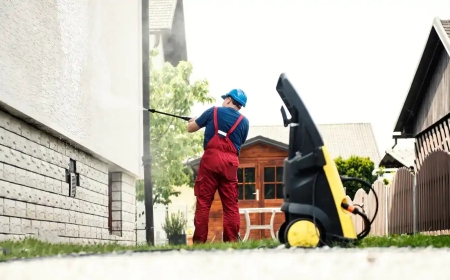
Experienced professionals use lower settings combined with the correct nozzle and angle to clean without harm. Instead of blasting dirt away, they rely on steady, controlled passes. This method lifts grime from the surface without forcing water beneath it.
The key lies in balance. Water pressure should be strong enough to remove buildup, but not so strong that it compromises the surface. Technicians also keep a safe distance between the nozzle and the wall, allowing more control over the spray.
The Role of Pre-Treatment and Surface Preparation
Dirt, mildew, and algae often stick to porous materials like brick and stucco more firmly than on smoother surfaces. Thats why surface prep is essential. A good wash starts with applying the right cleaning solution, designed to break down stains gently.
Soft-bristle brushes or light scrubbing tools can be used to loosen debris on delicate areas. Letting the detergent sit for a few minutes allows it to work without requiring high pressure. This method not only protects the structure but also makes the cleaning process more efficient.
Preparing the area properly also involves inspecting for cracks, loose mortar, or existing damage. These spots should be sealed or marked off to avoid worsening the issue during cleaning.
Why Hiring Trained Professionals Is Worth It
Brick and stucco might seem tough, but once damage begins, repairs can be complicated and expensive. Professional cleaning crews understand how different materials react and adjust their technique accordingly. Their experience helps them spot weak points and use safer methods such as soft washing, which relies more on cleaning agents and less on pressure.
They also bring the proper tools, from adjustable-pressure machines to surface-safe chemicals. This combination helps deliver clean results without leaving behind streaks, cracks, or water stains. Hiring the right team isnt just about convenienceits about preserving your propertys structure and appearance.
A reliable technician will also guide you on the right maintenance cycle, ensuring your surfaces stay clean without unnecessary wear. Their recommendations help you avoid over-washing or using the wrong methods in future cleanings.
Signs Your Brick or Stucco Needs Cleaning
Discoloration, algae streaks, and black spots are all signs that your exterior could use a cleaning. Mold growth near shaded areas or at the base of walls is also common. On stucco, stains from water run-off or mildew can make even a newer home appear older.
Surface buildup not only affects looks but can lead to further wear over time. Organic matter holds moisture, which slowly breaks down the material underneath. Regular cleaning, done safely, helps prevent this and keeps your homes exterior looking its best.
Bricks often lose their sharp look once dirt fills the grooves. Stucco, especially in lighter colors, begins to look dull or patchy. These changes develop slowly, making them easy to overlook until the contrast becomes obvious.
Maintaining a Clean Exterior Without Damage
Regular maintenance goes a long way in preserving the look and strength of your exterior walls. Cleaning doesnt need to be aggressive to be effective. Safe washing methods give your property a refreshed look while protecting it from long-term wear.
Planning a cleaning schedule based on your climate, building age, and surrounding conditions helps maintain consistent results. Homes in damp or shaded areas might need more frequent attention, while dryer regions can often go longer between cleanings.