






















How To BBQ Safe Tornado Dallas
How to BBQ Safe Tornado Dallas There is no such thing as “BBQ Safe Tornado Dallas.” This phrase is not a recognized technique, safety protocol, or official event. It appears to be a misstatement, a fictional concept, or possibly a result of search engine noise—perhaps a typo or auto-correct error combining “BBQ,” “safe,” “tornado,” and “Dallas.” In reality, tornadoes are dangerous natural phenomen

How to BBQ Safe Tornado Dallas
There is no such thing as BBQ Safe Tornado Dallas. This phrase is not a recognized technique, safety protocol, or official event. It appears to be a misstatement, a fictional concept, or possibly a result of search engine noiseperhaps a typo or auto-correct error combining BBQ, safe, tornado, and Dallas. In reality, tornadoes are dangerous natural phenomena, and barbecuing during or near a tornado threat is not only unsafeits life-threatening. However, this very confusion presents a unique opportunity to deliver critical, life-saving information to residents of North Texas, particularly in the Dallas-Fort Worth metroplex, where severe weather is common and outdoor cooking is a cultural staple.
This guide is not about how to BBQ during a tornado. Its about how to BBQ safely in a region prone to tornadoeshow to plan, prepare, and respond when outdoor grilling intersects with severe weather. For residents of Dallas, Arlington, Plano, Irving, and surrounding areas, understanding the intersection of barbecue culture and tornado safety isnt optionalits essential. Every summer, families gather in backyards, parks, and tailgating lots to enjoy smoked brisket, grilled chicken, and corn on the cob. But when the sky turns green and the sirens wail, knowing what to do can mean the difference between a memorable cookout and a tragedy.
This comprehensive tutorial will teach you how to safely enjoy BBQ in tornado-prone areas by integrating weather preparedness into your grilling routine. Youll learn how to monitor forecasts, secure your equipment, create emergency plans, and respond when severe weather strikesall without sacrificing the joy of outdoor cooking. Whether youre a weekend grill master or a seasoned pitmaster, this guide ensures your love of BBQ never puts you or your loved ones at unnecessary risk.
Step-by-Step Guide
Step 1: Understand Your Local Tornado Risk
Dallas-Fort Worth lies in Tornado Alley, a region stretching from northern Texas through Oklahoma, Kansas, and into Nebraska. According to the National Weather Service, North Texas experiences an average of 120 tornadoes per year, with the highest frequency between March and June. Dallas County alone averages 1015 tornadoes annually. Not all are violent, but even weak tornadoes (EF0EF1) can flip grills, shatter windows, and launch debris at high speeds.
Before you light your first charcoal briquette, understand your specific risk level. Visit the National Oceanic and Atmospheric Administration (NOAA) Storm Prediction Center website and review historical tornado data for your ZIP code. If you live in a floodplain, near a highway overpass, or in a mobile home, your risk increases significantly. Know your neighborhoods tornado history and identify which areas are most vulnerable.
Step 2: Monitor Weather Forecasts Daily During Grilling Season
Never assume the weather will stay calm. Even if the morning forecast says sunny, conditions can change in minutes. Make weather monitoring a non-negotiable part of your BBQ routine.
- Download the official NOAA Weather Radar app or use a trusted local news stations app (e.g., WFAA, KTVT, or NBC 5).
- Enable tornado alerts on your smartphonedo not rely on silent notifications.
- Check the forecast every morning and again 23 hours before you plan to grill.
- Pay attention to terms like severe thunderstorm watch, tornado watch, and tornado warning. A watch means conditions are favorable; a warning means a tornado has been sighted or indicated by radar.
If a tornado watch is issued for your area, delay your BBQ. If a tornado warning is issued, stop grilling immediately and seek shelter.
Step 3: Choose a Safe Location for Your Grill
Where you place your grill matters more than you think. Never grill under trees, near power lines, or next to flammable structures like fences, sheds, or garage doors. In tornado-prone areas, you must also consider wind exposure and potential debris paths.
Best locations:
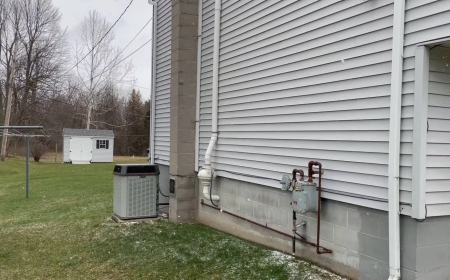
- Open, flat areas at least 10 feet away from your home, deck, or fence.
- On a concrete or stone pationot grass, which can become muddy and unstable during storms.
- Downwind from your house to avoid smoke entering windows.
- Never grill on a balcony or elevated deck in a multi-family dwelling.
Also, avoid areas near storm drains or low-lying ground where water may pool during heavy raincommon before tornadoes form. Standing water increases slip hazards and can damage electrical components on gas grills.
Step 4: Secure Your Grill and Equipment
A tornado can pick up a propane tank, a charcoal grill, or even a cooler full of food. Secure everything before you start cooking.
- For gas grills: Anchor the propane tank with a strap or bracket to a fixed object like a concrete post. Never leave the tank upright and unsecured.
- For charcoal grills: Use a heavy-duty grill mat and place a 2030 lb weight (like a brick or sandbag) on the base. Avoid lightweight aluminum grills in high-wind areas.
- Store lighter fluid, propane canisters, and matches in a locked, fireproof container away from the grill area.
- Keep utensils, plates, and napkins in a closed cart or cabinetnot left on tables where wind can scatter them.
Consider investing in a grill cover rated for high winds. These are designed with reinforced straps and ventilation to prevent the cover from becoming a sail in gusts.
Step 5: Create a Tornado Safety Plan for Your BBQ Gathering
If youre hosting a party, everyone needs to know what to do if a tornado strikes. This is not optional.
- Designate a primary shelter: The safest place is an interior room on the lowest floor of a sturdy buildinglike a bathroom, closet, or hallway without windows. Basements are ideal.
- Identify secondary options: If no indoor shelter is available, locate the nearest public storm shelter (check your citys emergency management website for locations).
- Assign roles: One person monitors weather alerts. Another ensures all guests know where to go. A third gathers emergency supplies.
- Practice the drill: Before lighting the grill, take 2 minutes to walk guests through the plan. Say: If you hear the siren, drop what youre doing and head to the shelter. Leave food behind. Your life matters more than ribs.
Include children and elderly guests in your plan. Make sure mobility-impaired guests have a clear, unobstructed path to shelter.
Step 6: Know When to Stop Grilling
There is no such thing as just one more minute. When a tornado warning is issued, you have 1015 minutes at most to get to safety. Heres what to do:
- Turn off the grill immediately. Do not attempt to extinguish charcoal or gas flamesyour priority is evacuation.
- Leave the grill unattended. Even if its still hot, its safer than risking your life.
- Grab your emergency kit (see Step 7), your phone, and your keys.
- Bring pets if possible, but do not delay for them if it means losing critical seconds.
- Do not wait to finish cooking. Do not try to save food. Do not take photos.
Remember: Tornadoes can form and strike with little warning. A warning may be issued while youre flipping burgers. If you hear sirens or see a funnel cloud, act immediately.
Step 7: Assemble an Emergency BBQ Kit
Keep a dedicated emergency kit near your grill area. It should include:
- Flashlight with extra batteries
- Portable phone charger (solar or hand-crank)
- First aid supplies (bandages, antiseptic, pain relievers)
- Water (1 gallon per person, minimum)
- Non-perishable snacks (granola bars, nuts)
- Whistle (to signal for help)
- Weather radio (battery-powered, NOAA-approved)
- Copy of your emergency contacts and shelter locations
- Disposable gloves and trash bags (for cleanup after the event)
Store this kit in a waterproof, labeled bin with a handle. Check it every spring before grilling season begins. Replace expired items. Test the flashlight. Charge the power bank.
Step 8: Post-Event Protocol
After a tornado passes, do not rush back to your grill. Wait for official clearance from emergency services. Even if the sky is clear, hazards remain:
- Downed power lines may be live and hidden under debris.
- Gas leaks from damaged propane lines can cause explosions.
- Structural damage to your home or garage may not be visible.
Before you return to your grill:
- Inspect for gas leaks. If you smell rotten eggs (the odorant added to propane), leave immediately and call the gas company.
- Do not use the grill until it has been professionally inspected for damage.
- Discard any food left out for more than 2 hours, especially if power was out. Bacteria grow rapidly in warm, humid conditions.
- Document damage with photos for insurance purposes.
Once its safe, clean up carefully. Wear gloves and sturdy shoes. Tornado debris can include glass, nails, and sharp metal.
Best Practices
Practice Year-Round Preparedness
Severe weather doesnt wait for summer. Tornadoes can strike in November or December in North Texas. Make weather safety a habit, not a seasonal task. Review your plan quarterly. Update your emergency kit. Teach new family members or guests your protocol.
Use Technology Wisely
Apps like RadarScope, MyRadar, or the American Red Cross Emergency App provide real-time alerts and storm tracking. Set location-based notifications so youre alerted even if youre away from home. Do not rely on TV or radio alonemany lose power during storms.
Never Grill Indoors
Even during a storm, never bring a charcoal or gas grill inside your home, garage, or porch. Carbon monoxide poisoning kills over 400 people in the U.S. each year. Use battery-powered LED lights instead of candles if the power goes out.
Respect Local Ordinances
Dallas and many suburbs have fire codes that restrict outdoor grilling during extreme wind conditions or drought. Check your citys website for burn bans. If a ban is active, use an electric indoor grill instead.
Teach Kids About Safety
Children love BBQsbut they dont understand tornadoes. Use simple language: When the alarm sounds, we stop playing and go to the safe room. The grill will still be there when we come back. Role-play the drill during family game night.
Plan for Power Outages
If the power goes out during your BBQ, your electric smoker or fridge will stop working. Keep a cooler with ice packs for perishables. Use a battery-powered fan to keep food cool. Consider a portable generatorbut only use it outdoors, far from windows and doors, to avoid carbon monoxide buildup.
Build Community Awareness
Join your neighborhoods emergency preparedness group. Organize a BBQ safety day: invite neighbors to learn about tornado plans while sharing food. Create a group text or WhatsApp channel to share weather updates. Strong communities save lives.
Choose Weather-Resistant Equipment
Invest in grills with rust-resistant coatings, heavy-duty wheels, and wind-blocking designs. Look for UL-certified propane systems. Avoid cheap, imported grills that lack safety certifications.
Document Everything
Keep a log of your BBQ safety practices: when you checked the weather, when you secured the grill, when you practiced the drill. This helps you refine your process and provides evidence of due diligence if insurance claims arise after a storm.
Tools and Resources
Essential Weather Tools
- Noaa Weather Radar App Free, official, real-time radar with storm tracking.
- RadarScope Professional-grade app with Doppler and velocity data ($5 one-time fee).
- Weather Underground Hyperlocal forecasts and historical storm data.
- NOAA All-Hazards Radio A dedicated radio that receives emergency alerts even without cell service.
Grill Safety Equipment
- Grill Anchor Straps Heavy-duty nylon straps with buckles to secure propane tanks.
- Fire-Resistant Grill Mat Protects decks and patios from heat and grease fires.
- Heavy-Duty Grill Cover Wind-rated, UV-resistant, with reinforced corners.
- Propane Leak Detector Small handheld device that beeps when gas is present.
- Portable Fire Extinguisher (ABC Class) Keep one within 10 feet of your grill.
Emergency Kits
- Ready.gov Emergency Supply Kit Official U.S. government checklist.
- American Red Cross Emergency App Includes shelter locators and first aid guides.
- Family Emergency Plan Template Downloadable PDF from FEMA.gov.
Local Dallas-Fort Worth Resources
- Dallas Office of Emergency Management dallas.gov/oem Offers free tornado safety workshops and community alerts.
- North Texas Emergency Management Association Coordinates regional preparedness drills.
- WFAA Storm Team 8 Local TV station with 24/7 severe weather coverage and mobile alerts.
- City of Arlington Tornado Safety Guide Detailed maps of public shelters.
Books and Training
- The Tornado Safety Handbook by Dr. Roger Edwards Written by a leading NOAA meteorologist.
- BBQ Safety: Fire, Smoke, and Storms by James McCall A regional guide focused on Texas grilling culture.
- FEMA Independent Study Course IS-220: Are You Ready? Free online course (fema.gov).
Real Examples
Example 1: The Arlington Backyard Incident May 2021
In May 2021, a family in Arlington hosted a Fathers Day BBQ. The morning forecast showed a slight risk of storms, but the father, a seasoned grill master, decided to proceed. At 3:15 p.m., a tornado warning was issued for their ZIP code. The family ignored the alert, thinking it was just another false alarm.
At 3:28 p.m., a weak EF1 tornado passed 800 yards from their home. It lifted the grill 15 feet into the air, smashed a side window, and scattered food and utensils across three yards. The family was unharmed because they had just stepped inside to refill drinksbut the grill was destroyed, and the propane tank was dented and leaking.
Post-event, they installed a grill anchor, signed up for local alerts, and now conduct a 60-second safety check before every cookout. We thought we were invincible, the father said. Were not. The grill isnt worth a life.
Example 2: The Dallas Tailgate That Saved Lives April 2022
During a high school football game in Dallas, a group of parents set up a tailgate with a charcoal grill. As they cooked, the sky darkened. One parent, a former EMT, noticed the greenish hue and sudden silencethe classic signs of an approaching tornado. He immediately turned off the grill, gathered his kids and others, and led them to the stadiums underground tunnel shelter.
Two minutes later, an EF2 tornado touched down 400 yards away, flipping cars and tearing off roof sections. No one was injured. The grill was left behind, but the group was safe. They later donated a new grill to the schools booster clubwith a plaque that read: Grill safe. Shelter first.
Example 3: The Plano Community Drill June 2023
A neighborhood association in Plano organized a BBQ & Safety Day. Residents brought their grills, cooked together, and then participated in a live tornado drill. They practiced turning off grills, grabbing emergency kits, and evacuating to the community center basement. Local firefighters showed up to inspect grill setups and gave out free propane leak detectors.
Three months later, a tornado warning hit during a backyard cookout. One family remembered the drill, turned off their grill, and reached shelter in 47 seconds. We didnt panic, the mother said. We just did what we practiced.
Example 4: The Tragic Missed Warning March 2020
A man in Garland ignored multiple tornado warnings while grilling for his sons birthday. He claimed he didnt hear the sirens because his music was loud. When the tornado struck, he was thrown 20 feet by the wind. He survived but suffered multiple fractures. His grill was found 300 yards away, still lit.
His story was shared by the Dallas Fire Department as a cautionary tale. Weve seen too many people choose food over safety, said Captain Lisa Nguyen. We dont blame them. We educate them.
FAQs
Can I grill during a tornado watch?
You can, but you shouldnt. A tornado watch means conditions are favorable for tornadoes to form. Its the perfect time to preparenot to start grilling. Delay your cookout until the watch expires. If you must grill, have your emergency plan ready and monitor the sky constantly.
What if Im at a park or public grill?
Public grills are often located in open areas with little shelter. If a tornado warning is issued, leave the park immediately. Head to the nearest sturdy building. Do not stay under a pavilion or picnic shelterthey are not safe. If no building is nearby, lie flat in a ditch or low area, covering your head.
Is it safe to use a gas grill during a storm?
No. Gas grills pose a fire and explosion risk during high winds and lightning. Even if the storm seems far away, lightning can strike miles ahead of a storm front. Use electric grills indoors if weather threatens.
How do I know if my propane tank is damaged after a storm?
Look for dents, cracks, or rust. Smell for rotten eggs (the odorant in propane). If you suspect damage, do not use the tank. Contact your propane supplier for inspection. Never attempt to repair it yourself.
Should I unplug my electric smoker during a storm?
Yes. Unplug all electrical appliances before seeking shelter. Power surges during storms can damage equipment and cause fires. If the power goes out, discard any food that has been above 40F for more than 2 hours.
Can I use a grill as a heat source during a power outage?
Never. Grills produce carbon monoxide, a deadly, odorless gas. Even outdoors, wind can blow fumes into your home. Use battery-powered heaters or warm clothing instead.
Whats the safest type of grill for tornado-prone areas?
Heavy, anchored charcoal grills or permanently installed gas grills with built-in wind guards are safest. Avoid lightweight, portable, or foldable grills. Look for models with a low center of gravity and non-slip bases.
Do I need insurance for my grill?
Most homeowners insurance covers grills as personal propertyif damaged by a covered peril like wind or fire. Keep receipts and photos. Document damage immediately after a storm. Some policies exclude damage from acts of God unless you have comprehensive coverage.
How often should I check my grill for storm readiness?
Before every grilling season (spring), and after any major storm. Also check after strong winds, hail, or floodingeven if your grill looks fine. Internal damage can be hidden.
What if my neighbors dont take tornado safety seriously?
Lead by example. Share your plan. Offer to help them secure their grill. Send them a link to this guide. Sometimes, seeing someone else take action inspires others to follow. Safety is contagious.
Conclusion
There is no How To BBQ Safe Tornado Dallasbecause you should never BBQ during a tornado. But there is a very real, very important way to BBQ safely in a region where tornadoes are part of life. This guide has shown you how to integrate weather awareness into your grilling routine, how to secure your equipment, how to protect your family, and how to respond when disaster strikes.
BBQ is more than food. Its community. Its tradition. Its connection. But none of that matters if youre not alive to enjoy it. The most important ingredient in every Texas barbecue is not smoke or spiceits safety.
Use this guide. Share it. Practice it. Teach it. Your next cookout could be the one that saves a life.
Stay safe. Stay informed. And when the sky turns green, remember: put the spatula down, grab your emergency kit, and get to shelter. The ribs will still be there tomorrow.
